First SafeSwim Safeguarding Workshop Held in Osijek
Blog post description.
4/15/20261 min read
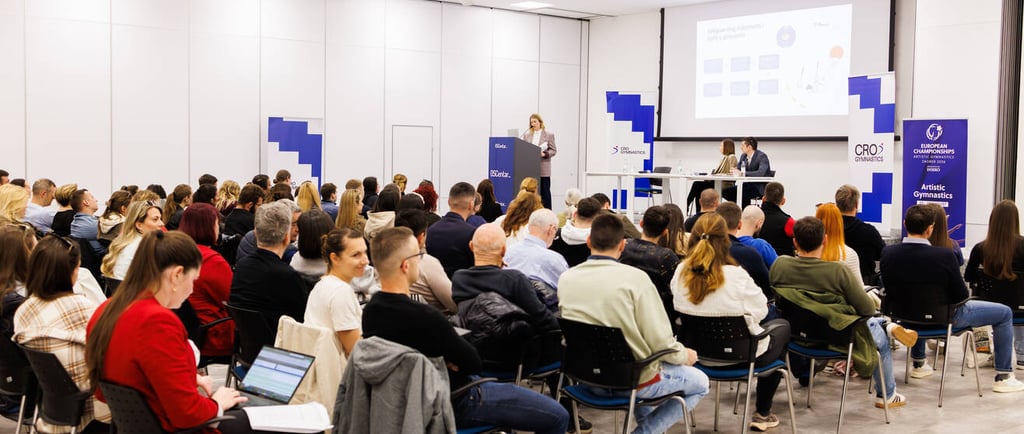
The first major milestone of the SafeSwim project is complete. On 11 April 2026, in Osijek, Croatia, we held our first international safeguarding workshop — and the response exceeded all expectations.
More than 50 participants — target exceeded
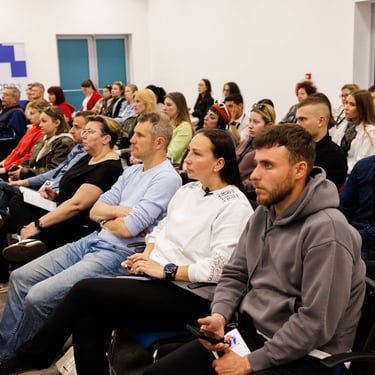
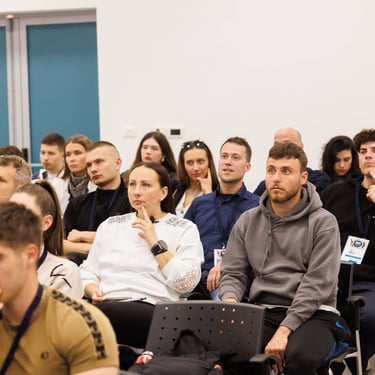
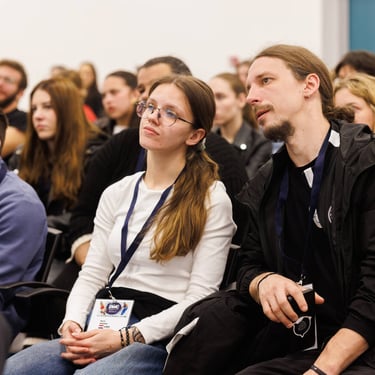
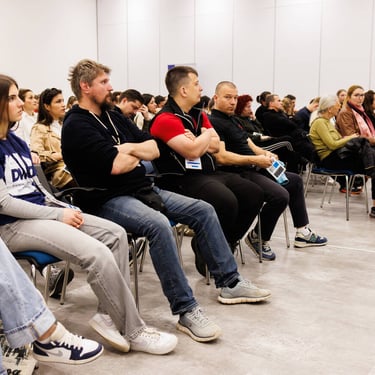
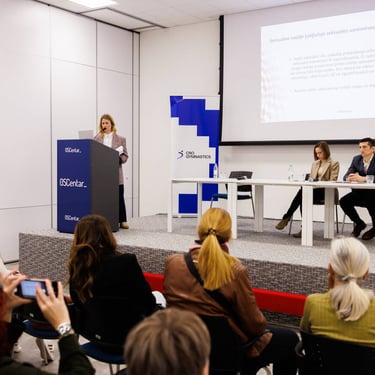
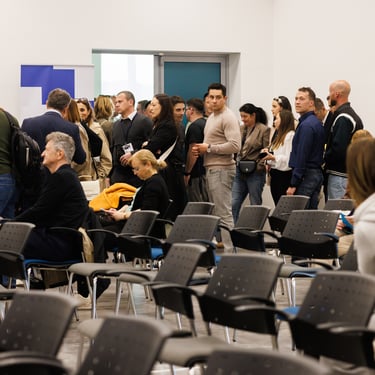
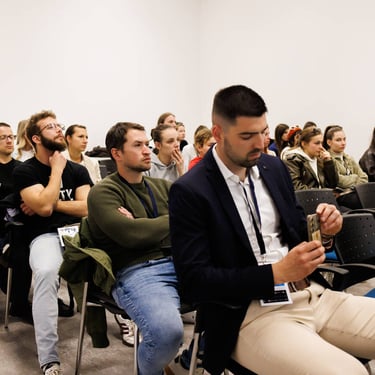
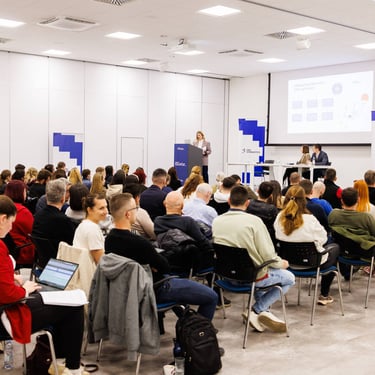
Held at Dvorana Gradski vrt in cooperation with the Croatian Gymnastics Federation, the workshop brought together over 50 coaches and sports professionals — well above our planned target of 40. All four consortium partners (PK Zagreb, DSR SuperKid, ŠD Partizan Sevnica, and LIDOSK) attended in person.
Expert-led training
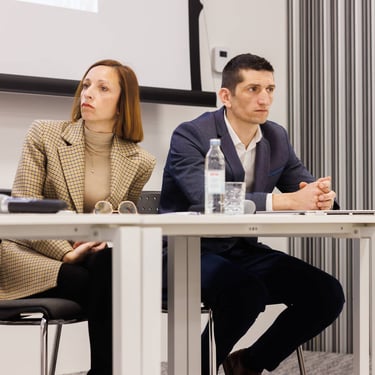
The training was delivered by two qualified trainers:
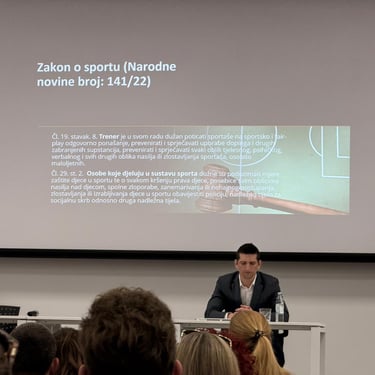
Ms. Matea Horvat, designated Safeguarding Officer of the Croatian Olympic Committee (HOO), who presented national and European safeguarding frameworks, legal obligations, and the role of the HOO in promoting safe sport.
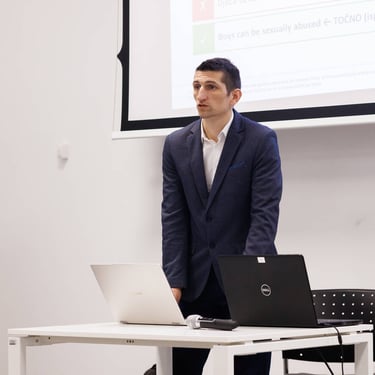
Mr. Mario Škegro, qualified Safeguarding Officer (DSR SuperKid), who led practical sessions on recognising signs of abuse and neglect, responding to disclosures, and proper recording and reporting.
Certified safeguarding officers
Following the training, all participants completed the CPD-accredited VitalSkills / HSQE Safeguarding Children Level 1 online exam and obtained their certification — a concrete step toward safer sport environments across the region.
Strong engagement
Feedback was overwhelmingly positive. Participants praised the practical, accessible format and the quality of the trainers, with many expressing interest in continuing their safeguarding education in the years ahead. In the afternoon, the four partners held a consortium meeting to plan the next workshops in Turkey and Slovenia.
A safe kid is a happy kid — and after Osijek, there are over 50 more professionals ready to make that happen.
This project is co-funded by the European Union. Views and opinions expressed are those of the author(s) only and do not necessarily reflect those of the European Union or the European Education and Culture Executive Agency (EACEA). Neither the European Union nor EACEA can be held responsible for them.